You’ve made the decision to implement high-speed wireless internet for your business—whether it’s fixed-wireless, 5G FWA, or Starlink. The equipment arrives, and you’re eager to get connected. But here’s where many businesses encounter unexpected challenges: achieving optimal performance from wireless internet technology requires more than simply plugging in a router and hoping for the best.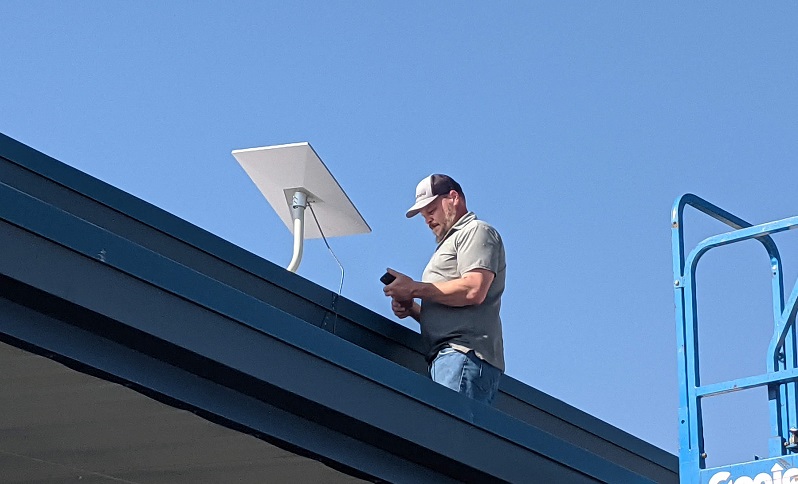
Professional installation isn’t just a nice-to-have service—it’s the difference between frustrating connectivity issues and a reliable internet solution that supports your business operations for years to come. Let’s explore why professional installation matters and what it actually involves for different wireless technologies.
The Hidden Complexity of “Simple” Wireless Internet
At first glance, wireless internet seems straightforward. After all, it’s wireless, right? Just set up the equipment and you’re good to go. In reality, wireless internet performance depends on numerous factors that aren’t immediately obvious:
- Precise equipment positioning and orientation
- Signal strength and interference analysis
- Proper mounting and weatherproofing
- Network integration and security configuration
- Ongoing optimization as conditions change
A few inches of adjustment in router placement or antenna alignment can mean the difference between 250 Mbps and 50 Mbps—or between reliable connectivity and constant dropouts. Professional installers bring specialized knowledge and tools to maximize your wireless internet performance from day one.
Fixed-Wireless Installation: Precision Matters
Fixed-wireless internet relies on line-of-sight communication between your location and a nearby tower. While this technology delivers excellent speeds and reliability when properly installed, getting it right requires expertise.
What Professional Installation Includes:
Site Survey and Analysis – Before any equipment goes up, professionals assess your location to identify the optimal mounting position. This includes measuring signal strength from multiple locations, identifying potential obstructions like trees or buildings, and determining the best path to the tower.
Precise Antenna Alignment – Fixed-wireless antennas must be aligned within specific degrees to achieve maximum signal strength. Professional installers use specialized tools to ensure perfect alignment, then secure equipment to prevent any shifting over time.
Weatherproof Mounting – Outdoor antennas face wind, rain, ice, and temperature extremes. Professional installation includes proper mounting hardware rated for your local weather conditions, with attention to water intrusion prevention and long-term durability.
Network Integration – Connecting your wireless internet to existing business systems requires configuring routers, setting up secure networks, and ensuring all devices can access the connection properly. Professionals handle this integration seamlessly, including establishing guest networks for retail environments or segregated networks for different departments.
5G FWA Installation: Optimization is Everything
5G Fixed Wireless Access offers incredible flexibility—many systems can be installed indoors with no external antennas required. However, “can be installed anywhere” doesn’t mean “works equally well anywhere.” Professional installation ensures you’re getting the full potential of 5G technology.
The Professional Advantage:
Signal Strength Mapping – Professionals measure 5G signal strength throughout your facility to identify the optimal router location. Even within the same building, signal strength can vary dramatically between different rooms or floors.
Frequency Band Selection – 5G operates on multiple frequency bands, each with different characteristics. Low-band 5G offers broader coverage, while mid-band and high-band deliver higher speeds. Professional installers configure your equipment to prioritize the best available bands for your location.
Interference Mitigation – Metal structures, concrete walls, and electronic equipment can all impact 5G performance. Professionals identify and work around these interference sources, sometimes recommending external antennas or signal boosters when indoor installation alone won’t deliver the 250+ Mbps speeds you need.
Future-Proofing – As 5G networks continue expanding and improving, your installation should be positioned to take advantage of future enhancements. Professional installers consider not just today’s coverage but where the technology is heading.
Starlink Installation: More Than Pointing at the Sky
Starlink’s satellite internet technology works virtually anywhere, making it ideal for businesses in rural locations or areas where other wireless options aren’t available. However, Starlink installation involves unique considerations that benefit enormously from professional expertise.
Professional Installation Considerations:
Obstruction Analysis – Starlink requires a clear view of the sky with no obstructions blocking satellite signals. Professional installers use the Starlink app in conjunction with their experience to identify mounting locations with optimal sky visibility. Trees that look harmless today may grow to block signals in a year—professionals plan for long-term performance.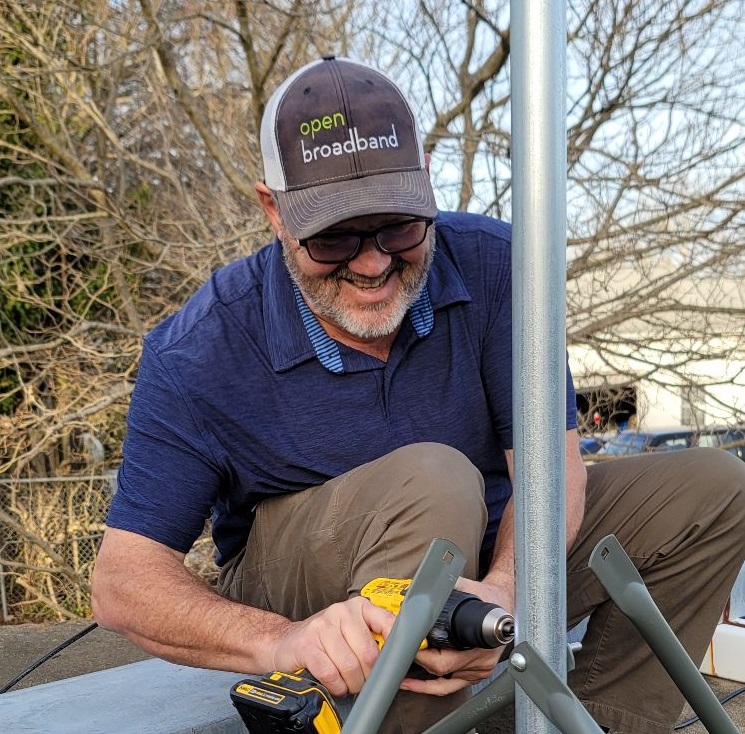
Proper Mounting Solutions – Starlink dishes can be mounted on roofs, poles, or ground mounts, but each method requires different considerations for stability, cable routing, and weather resistance. Professional installation includes appropriate mounting hardware and techniques to withstand high winds and severe weather.
Cable Management – Starlink systems require running cables from the dish to your router and power supply. Professional installation includes proper cable routing, protection, weatherproofing of connections, and neat organization that prevents damage and maintains a professional appearance.
Network Setup – Getting the Starlink dish online is just the beginning. Professional installers configure your network to ensure all business systems, point-of-sale terminals, security cameras, and other devices work properly with your new internet connection.
Common Installation Mistakes and Their Consequences
When businesses attempt DIY installation or use inexperienced installers, common problems include:
- Suboptimal placement leading to speeds well below the 250 Mbps capability of modern wireless systems
- Weather-related failures from improper mounting or cable connections
- Network security vulnerabilities from default configurations
- Interference issues that weren’t identified during initial setup
- Voided warranties when manufacturer installation guidelines aren’t followed
These issues often don’t appear immediately. Your internet might work adequately at first, but problems emerge during storms, peak usage times, or as your business grows and demands more from the connection.
Beyond Installation: Ongoing Support
Professional installation also establishes a foundation for ongoing support. When you work with experienced installers, they document your setup, understand your specific configuration, and can troubleshoot issues much more effectively than someone unfamiliar with your installation.
Whether you’re running retail operations that depend on reliable point-of-sale connectivity, managing a warehouse with cloud-based inventory systems, operating a medical facility with telehealth capabilities, or running any other business that depends on consistent internet access, professional installation protects your investment.
The Open Broadband Approach
At Open Broadband, we don’t just deliver equipment—we ensure your wireless internet solution performs at its peak from day one. Our professional installation service includes comprehensive site surveys, optimal equipment placement, secure network configuration, and verification testing to confirm you’re receiving the speeds and reliability your business needs.
Whether we’re installing fixed-wireless, 5G FWA, or Starlink, our experienced technicians bring the expertise and tools necessary to maximize your wireless internet performance. We handle everything from initial assessment through final testing, ensuring your business connectivity is optimized for both current needs and future growth.
Considering wireless internet for your business? Let’s discuss how professional installation can ensure you get the full performance and reliability these technologies offer. The difference between adequate internet and exceptional connectivity often comes down to the quality of installation.