In today’s digital economy, losing internet connectivity isn’t just an inconvenience—it’s a business emergency. Yet many companies still rely on a single internet connection, leaving themselves vulnerable to costly downtime that can damage customer relationships and drain revenue.
The Hidden Cost of Internet Downtime
When your primary internet connection fails, the financial impact begins immediately. A typical small business loses between $137 to $427 per minute of downtime, according to industry research. For businesses that process payments online, handle customer service calls, or manage cloud-based operations, even a two-hour outage can cost thousands of dollars in lost sales and productivity.
Beyond immediate revenue loss, internet outages create ripple effects throughout your organization. Employees can’t access cloud applications, email servers become unreachable, and VoIP phone systems go silent. Customer service grinds to a halt, and scheduled video conferences with important clients have to be cancelled or rescheduled.
Why Traditional Solutions Fall Short
Many businesses assume their cable or fiber provider’s “business-grade” service includes adequate redundancy. Unfortunately, most business internet services still run through the same physical infrastructure that serves residential customers. When a construction crew cuts a fiber line or severe weather damages local equipment, both your primary connection and many “backup” solutions fail simultaneously.
Traditional backup options like secondary cable lines often share the same network infrastructure vulnerabilities. Even expensive dedicated fiber connections can be disrupted by the same local infrastructure failures that affect your primary service.
The Wireless Internet Advantage
A portable 5G wireless internet connection operates on an entirely different network infrastructure than your cable or fiber service. While your building’s internet cables might be severed, cellular towers typically maintain connectivity through diverse routing and backup power systems designed for maximum uptime.
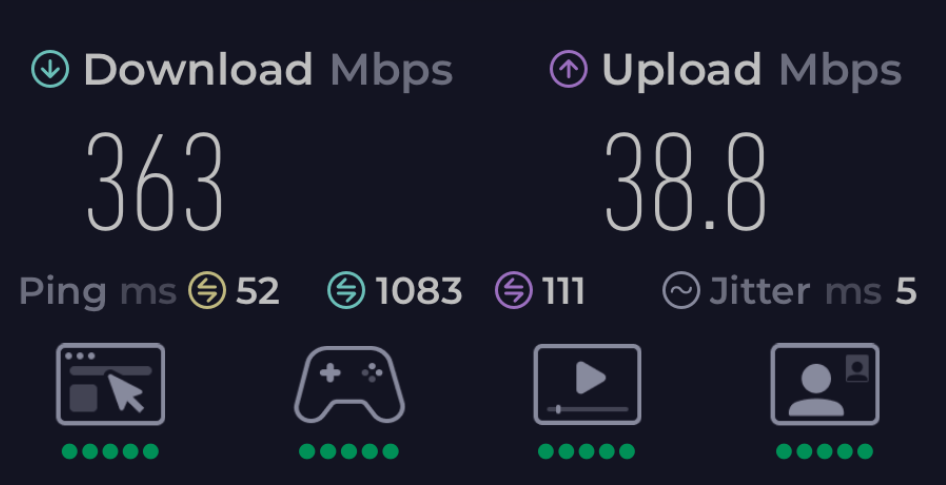
Modern 5G networks deliver speeds that rival many traditional business internet connections, with many areas seeing download speeds of 50-200+ Mbps—more than adequate for most business operations during an outage. Unlike older cellular solutions, today’s 5G networks can handle multiple simultaneous users, video conferencing, cloud applications, and point-of-sale systems without significant performance degradation.
Implementing Your Backup Strategy
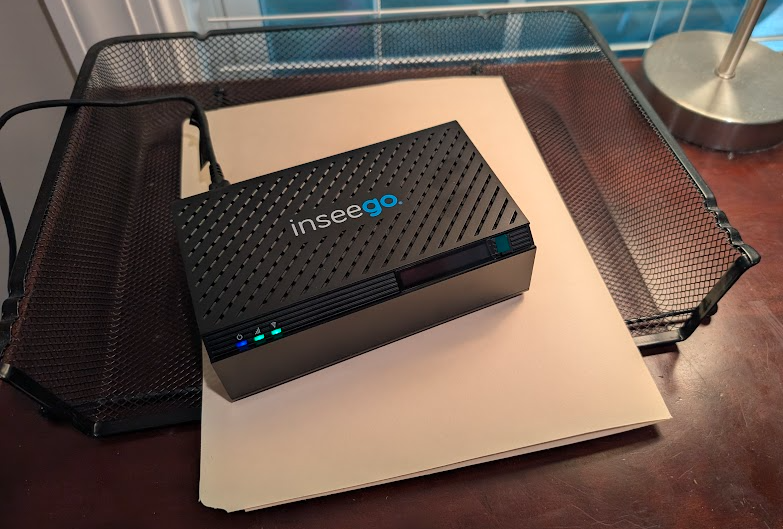
The most effective backup internet strategy is simple: keep a pre-configured portable 5G router ready to deploy the moment your primary connection fails. This isn’t about replacing your main internet service—it’s about ensuring business continuity when that service inevitably experiences problems.
Your backup system should be tested monthly to ensure it works when needed. Configure your critical business applications to work with the backup connection, and train key staff on the switchover process. Consider which devices and operations are most critical during an outage, and prioritize their connectivity.
Real-World Business Impact
Businesses with reliable backup internet connections report significantly higher customer satisfaction during service disruptions. Instead of telling customers “our systems are down,” they maintain normal operations and continue serving clients without interruption.
Rural and suburban businesses particularly benefit from wireless backup solutions, as these areas often have limited options for diverse wired internet connections. A portable 5G router provides true network diversity that isn’t dependent on the same local infrastructure as your primary service.
Protecting Your Business Investment
Investing in backup wireless internet isn’t just about preventing downtime—it’s about protecting your business reputation and maintaining the trust your customers place in your reliability. In an era where customers expect 24/7 digital access, having a backup plan isn’t optional anymore.
Don’t wait for your next internet outage to realize the importance of redundancy. Implement a wireless backup solution today and ensure your business stays connected when your customers need you most.